
How to Protect Your Furniture from Stains & Damage
Furniture is more than just something you place in a room. It shapes the way your space feels, reflects your personality, and often represents a meaningful investment. Whether it is a cozy sofa, a polished wooden table, or a statement armchair, keeping your furniture in good condition is essential if you want it to last for years.
The good news is that protecting your furniture does not require expensive treatments or complicated routines. With a little awareness and some simple habits, you can prevent most stains and damage before they even happen.
Understand Your Furniture Material
The first step in protecting furniture is understanding what it is made of. Different materials react differently to spills, sunlight, and daily use.
Wood can warp or fade if exposed to moisture and heat. Upholstered fabrics can absorb spills quickly and trap odors. Leather is durable but sensitive to dryness and cracking. Glass surfaces are prone to scratches and fingerprints.
When you know your material, you can choose the right cleaning methods and protective measures instead of using a one size fits all approach.
Act Quickly When Spills Happen
One of the biggest mistakes people make is waiting too long to clean a spill. The longer a liquid sits, the deeper it seeps into the material.
If something spills, gently blot it with a clean cloth instead of rubbing it. Rubbing spreads the stain and pushes it further into the fabric or surface. For water based spills, a slightly damp cloth works well. For oily or sticky substances, mild soap solutions can help.
Quick action often means the difference between a temporary mess and a permanent stain.
Use Protective Covers and Layers
Sometimes prevention is easier than cleaning. Using protective layers can significantly reduce the risk of damage.
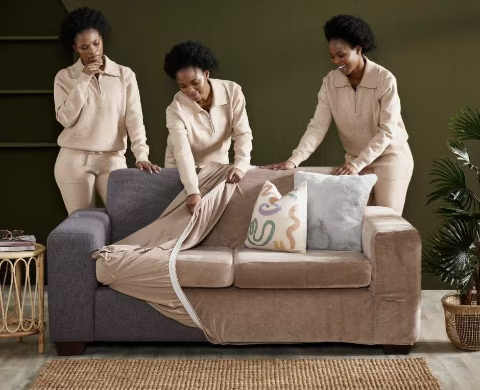
For sofas and chairs, consider washable covers or throws. These not only protect against spills but also make cleaning much easier. On dining tables, placemats and coasters can prevent heat marks, water rings, and scratches.
Even something as simple as a table runner can add a layer of protection while enhancing the overall look of your space.
Keep Furniture Away from Direct Sunlight
Sunlight might make your room look beautiful, but over time it can fade colors and weaken materials.
Wood can lose its finish, fabrics can fade unevenly, and leather can dry out. Try to position your furniture away from direct sunlight or use curtains and blinds during peak hours.
If moving furniture is not possible, rotating items occasionally can help ensure even exposure and reduce visible fading.
Maintain a Regular Cleaning Routine
Dust and dirt may seem harmless, but they can slowly wear down surfaces. Dust particles can act like tiny abrasives, especially on wood and glass.
Wipe down surfaces regularly with a soft cloth. Vacuum upholstered furniture to remove dirt that settles deep into the fabric. For leather, use appropriate conditioners to keep it soft and prevent cracking.
Consistency is key. Small, regular cleaning efforts are far more effective than occasional deep cleaning.
Be Mindful of Pets and Daily Habits
Pets and everyday activities are common sources of furniture damage. Sharp claws, accidental spills, and rough use can all take a toll.
If you have pets, consider training them to stay off certain furniture or use protective covers. Keep their nails trimmed to reduce scratches. For households with children, setting simple rules like no food on the couch can go a long way.
Even habits like placing keys or heavy objects on tables can cause scratches over time, so being mindful makes a big difference.
Use Furniture Pads and Protectors
Furniture does not just get damaged on top. The base and legs also need attention.
Use felt pads under furniture legs to prevent scratches on floors and reduce stress on the furniture itself. This is especially important for heavy items that are moved occasionally.
For delicate surfaces, protective films or coatings can provide an extra layer of safety without affecting appearance.
Control Indoor Environment
Humidity and temperature can silently damage furniture over time. Too much moisture can cause wood to swell, while very dry air can lead to cracks.
Try to maintain a balanced indoor environment. Using a humidifier or dehumidifier when needed can help protect your furniture from long term damage.
Good ventilation also prevents the buildup of odors and mold, especially in upholstered pieces.
Avoid Harsh Chemicals
Using the wrong cleaning products can do more harm than good. Harsh chemicals can strip finishes, discolor fabrics, and weaken materials.
Always use gentle, material specific cleaners. When in doubt, test a small hidden area before applying anything to the entire surface.
Natural solutions like mild soap and water are often enough for regular maintenance.
Final Thoughts
Protecting your furniture is not about being overly careful or restricting how you use your space. It is about creating simple habits that keep your furniture looking fresh and lasting longer.
With quick action, regular care, and a bit of awareness, you can prevent most stains and damage before they become a problem. Over time, these small efforts add up, helping your furniture stay as beautiful and comfortable as the day you brought it home.