
Understanding OFAC Sanctions Defense A Comprehensive Guide
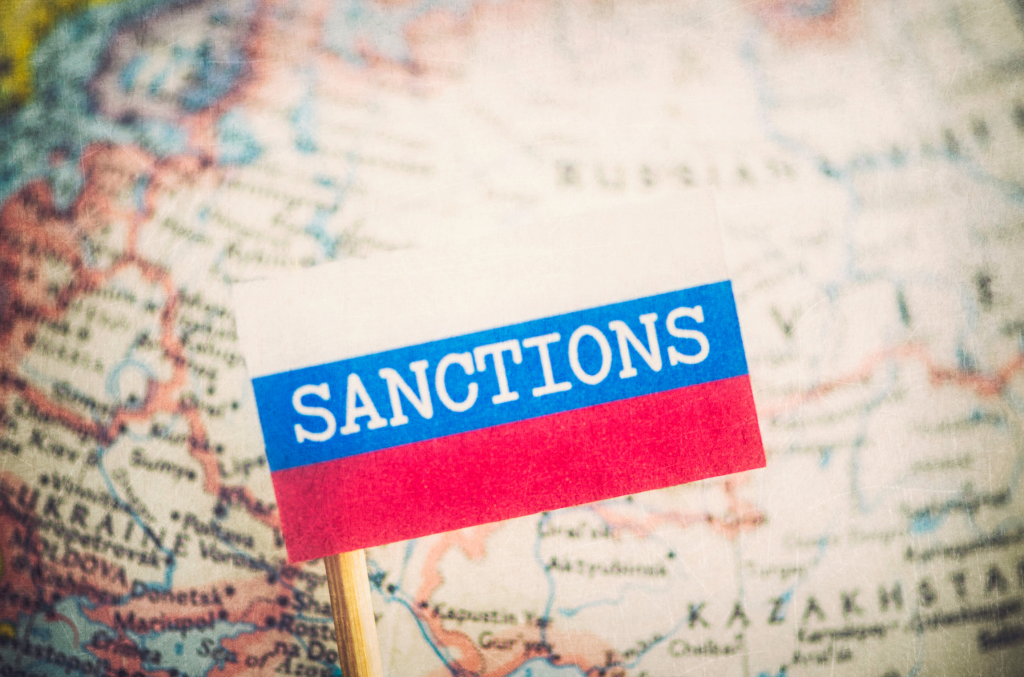
OFAC Sanctions Defense: Navigating Complex Legal Landscapes
In today’s global economy, businesses must navigate a complex web of regulations, particularly those enforced by the Office of Foreign Assets Control (OFAC). OFAC Sanctions Defense is crucial for any organization that conducts international operations. Understanding these sanctions, their implications, and how to defend against potential violations can mean the difference between success and legal retribution.
What Are OFAC Sanctions?
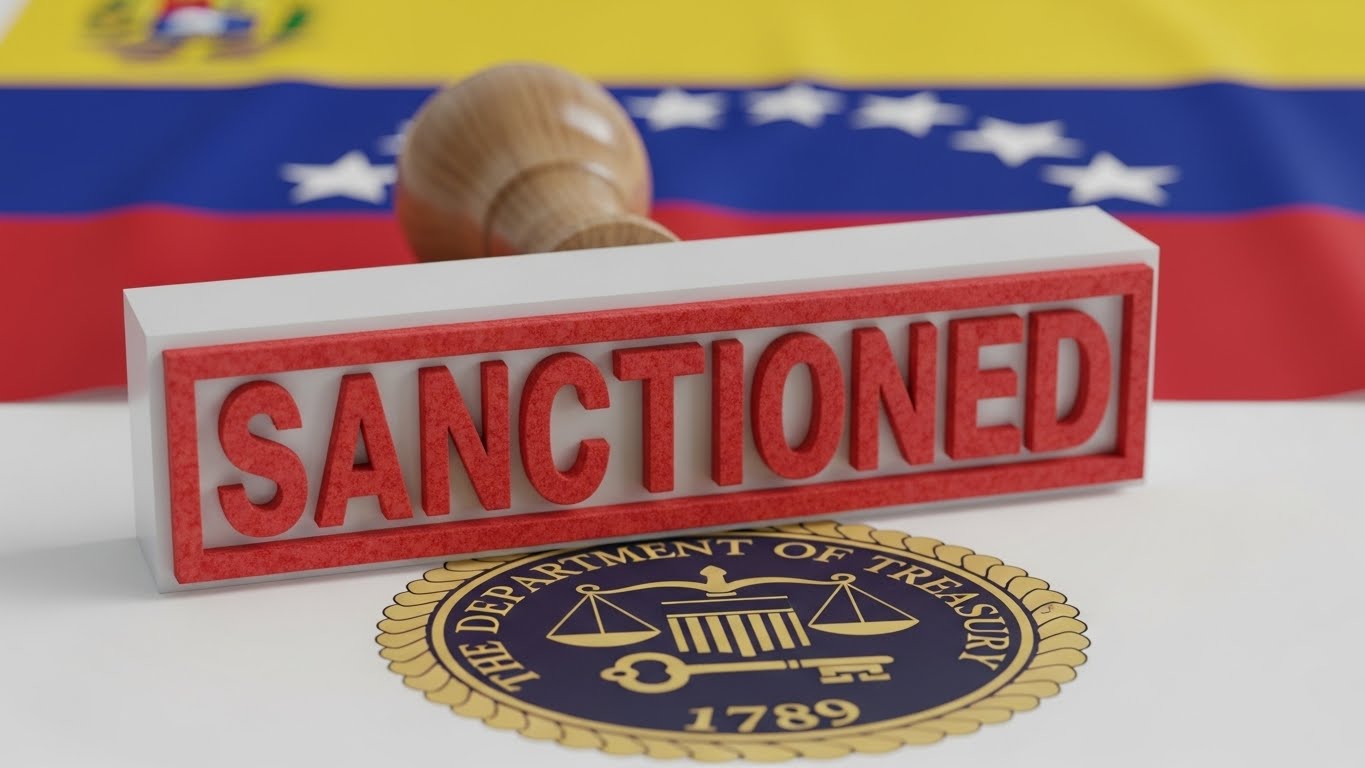
The Office of Foreign Assets Control, under the U.S. Department of the Treasury, administers and enforces economic and trade sanctions against targeted foreign countries and regimes, terrorists, international narcotics traffickers, and other threats to national security, foreign policy, or economy. OFAC sanctions are measures that can include asset freezes, trade restrictions, and limitations on financial transactions. These sanctions serve as tools to promote U.S. foreign policy and national security objectives.
The Importance of OFAC Sanctions Defense
With penalties for non-compliance ranging from hefty fines to criminal charges, offense against OFAC sanctions can have devastating effects on a business. Understanding how to defend against these sanctions is vital for lawful operations. A comprehensive OFAC sanctions defense strategy ensures that organizations can:
- Identify potential compliance risks.
- Implement effective internal controls and training programs.
- Engage in proactive risk assessments to safeguard against inadvertent violations.
- Develop robust reporting procedures in case of potential sanctions breaches.
Common Types of OFAC Sanctions
OFAC sanctions can be categorized into several types, including:
- Comprehensive Sanctions: These apply to entire countries, prohibiting most transactions with individuals and entities in those nations.
- Targeted Sanctions: These focus on specific individuals or entities involved in illicit activities, allowing for more tailored enforcement.
- Secondary Sanctions: These can penalize foreign entities that conduct business with sanctioned individuals or countries, extending U.S. jurisdiction beyond its borders.
Key Compliance Measures
A well-rounded compliance program is integral to maintaining OFAC sanctions defense. Organizations should consider implementing the following measures:
- Screening Processes: Regularly screen customers, partners, and suppliers against OFAC’s Specially Designated Nationals and Blocked Persons List (SDN List).
- Employee Training: Educate employees about OFAC sanctions, focusing on recognizing and reporting potential violations.
- Risk Assessments: Perform periodic assessments to identify vulnerabilities in your operations and supply chain.
- Compliance Audits: Conduct regular audits of your compliance processes to ensure they remain effective and up-to-date.
Defending Against OFAC Violations
When faced with OFAC violations, immediate action is essential. Key steps include:
- Document Review: Thoroughly review all documentation related to the transactions in question to understand the context and discover any potential justifications.
- Legal Consultation: Engage with legal experts specializing in OFAC sanctions defense to assess your situation and determine the best course of action.
- Mitigation Strategies: Implement steps to demonstrate the organization’s commitment to compliance, such as enhancing training or amending procedures to avoid future violations.
Case Studies: Lessons Learned from OFAC Enforcement Actions
Analyzing past enforcement actions can provide valuable insights into how to avoid similar pitfalls:
The Case of XYZ Corporation
In 2020, XYZ Corporation faced substantial penalties for engaging with an entity on the SDN list. The company misunderstood the scope of the sanctions and failed to implement adequate screening protocols. The aftermath highlighted the importance of maintaining an active compliance program and the necessity for routine screenings.
ABC Industries’ Corrective Measures
In a more positive example, ABC Industries faced an OFAC inquiry but managed to demonstrate a strong compliance framework, including a comprehensive training program and proactive risk assessments. Their readiness and transparency mitigated the severity of penalties, resulting in a warning instead.
Conclusion
In an increasingly interconnected world, awareness and understanding of OFAC sanctions are paramount for any organization that engages in international dealings. Implementing a robust OFAC sanctions defense strategy not only protects businesses from legal repercussions but also fortifies their reputation and operational sustainability. By prioritizing compliance and readiness, companies can navigate the challenges of OFAC regulations and thrive in a complex marketplace.
Additional Resources
For those seeking further guidance, numerous resources can provide updated information on OFAC regulations, including:
- U.S. Department of the Treasury website.
- Legal consultation firms specializing in international compliance.
- Industry training programs focused on sanctions compliance.
Staying informed and taking a proactive approach to OFAC sanctions defense can protect your business and ensure continued growth and compliance in a global economy.